Artificial Intelligence and Face Recognition: The Mysterious World of Human Faces
Today, as technology advances rapidly, we are seeing many innovations in the field of artificial intelligence (AI). Artificial intelligence is the field that enables computers to think, learn and make decisions like humans. It is used in many areas, and in recent years it has made great progress, especially in face recognition systems.
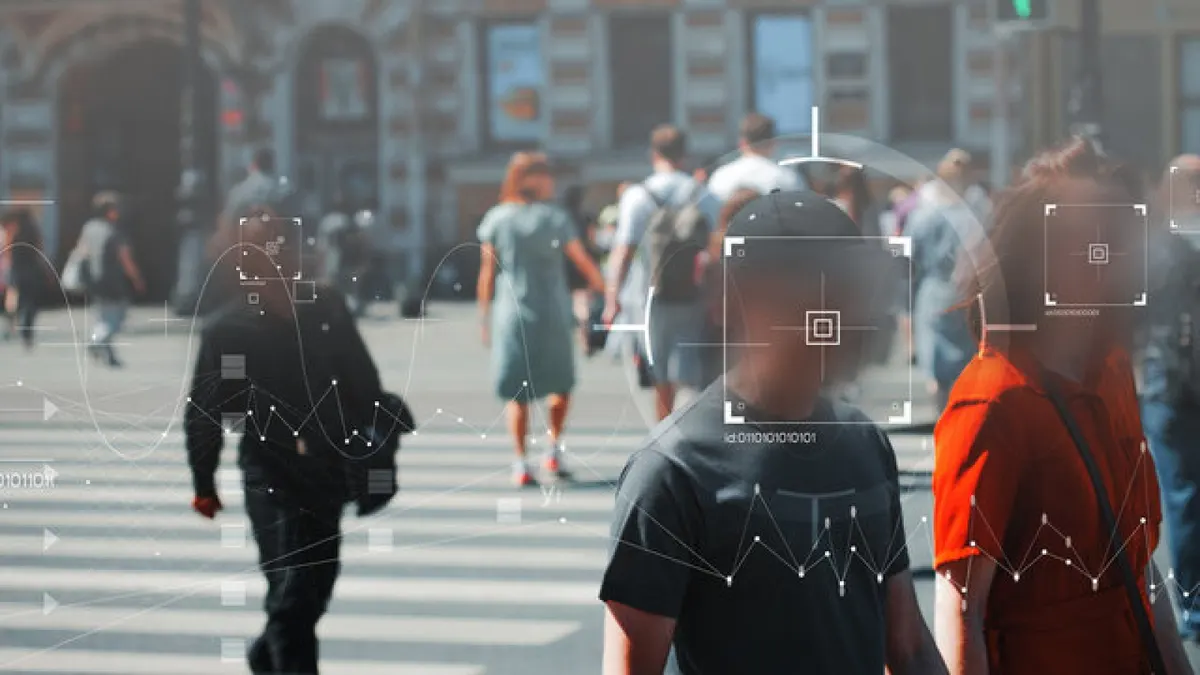
AI-based face recognition systems imitate the human ability to recognize faces. They can be used in many different applications, for example in security systems, on social media platforms and even in medicine. This article gives an overview of how AI-based face recognition technology works, and looks at how Pixcloud AI, one of the leading face recognition algorithms, works.
Artificial Intelligence and Face Recognition
AI-based face recognition systems consist of several steps. Here is a general overview of them:
Data Collection and Preprocessing: Face recognition systems first collect a dataset, which usually contains face images of thousands or even millions of people. The collected data then goes through preprocessing, which converts the images to a standard size and format. This step reduces the differences between images and helps produce more consistent results.
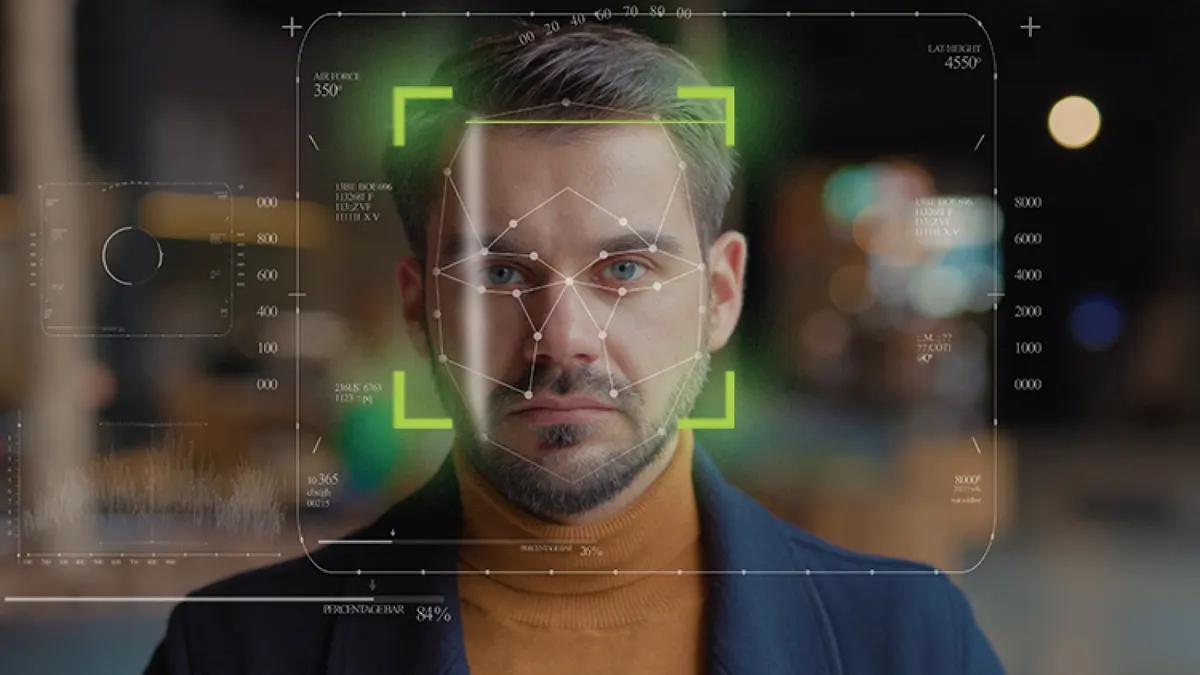
Face Detection: After preprocessing, the system uses a face detection algorithm to find faces. The algorithm looks for certain features to detect the faces in an image: faces usually have specific points such as the eyes, nose and mouth. The face detection algorithm uses these features to find the faces in the image.
Facial Feature Extraction: After face detection, the system uses a feature extraction algorithm to extract the features of the faces. The algorithm identifies specific features of each face (for example, the position of the eyes, the length of the nose, and so on) and represents them as a vector. This vector serves as a unique mathematical representation of the face.
Training and Recognition: In the final step, the system learns from the dataset used for training. During training, it learns facial features and which people those features belong to. The system can then recognize and classify the faces in a new image.
The Pixcloud AI Face Recognition Algorithm
Pixcloud AI is an AI-based face recognition algorithm and, like many similar algorithms, it follows the steps above. However, some of its features set it apart from others. For example, Pixcloud AI is known to improve face recognition performance by using deep learning techniques. And because it has been trained on large datasets, Pixcloud AI can recognize a wide range of human faces.
Advanced face recognition algorithms such as Pixcloud AI are therefore designed for use in security systems, social media platforms and many other applications. However, it should not be forgotten that this technology also raises ethical and privacy concerns. The use of AI-based face recognition systems must be managed carefully with these concerns in mind.
In conclusion, AI-based face recognition technology consists of a series of steps that imitate the human ability to recognize faces. Leading face recognition algorithms such as Pixcloud AI use deep learning techniques to improve the performance of this technology, and they can be used in many different applications. However, the use of this technology must be managed carefully, with privacy and ethical concerns in mind.